How To Sleep When Your Partner Snores (11 Practical Solutions)
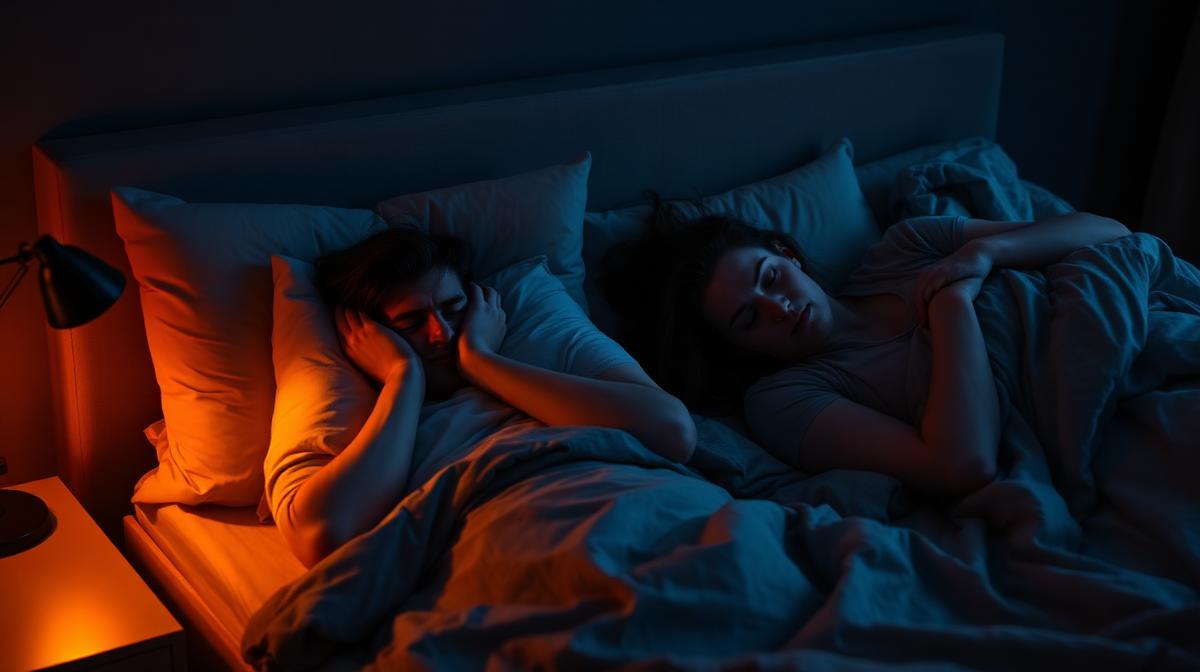
If you've ever lain awake at 2 AM listening to your partner produce sounds that seem physically impossible for a human being, you know the particular frustration of sharing a bed with a snorer. You're exhausted. You have to be up in five hours. And every time you start to drift off, another thunderous rumble jolts you back to full consciousness.
You're far from alone. Research published in the Mayo Clinic Proceedings estimates that bed partners of snorers lose an average of one hour of sleep per night — that's over 365 hours of lost sleep per year. Over time, this chronic sleep deprivation affects your mood, your health, your productivity, and yes, your relationship.
The good news? You don't have to choose between your relationship and your sleep. There are practical, evidence-based strategies that can help you sleep better even when the person next to you sounds like a motorcycle idling in your bedroom. Let's go through them.
Understanding Why Your Partner Snores
Before diving into solutions for yourself, it helps to understand what's happening on the other side of the bed. Snoring occurs when air flows past relaxed tissues in the throat, causing them to vibrate. The loudness and frequency depend on several factors: sleeping position, body weight, alcohol consumption, nasal congestion, and the anatomy of the mouth and throat. For a deeper dive, read our article on why people snore.
Understanding the cause helps because some solutions address your partner's snoring directly (reducing the source), while others help you cope with the noise regardless of its cause. The most effective approach usually combines both strategies.
One useful first step is to actually measure how loud and frequent the snoring is. Tools like SnapSnoreScore can analyze snoring patterns using just a phone's microphone — completely privately, with no recordings stored. This gives you objective data to work with instead of subjective frustration, and helps track whether any changes are actually making a difference.
Solutions That Help You Sleep Through Snoring
1. White Noise and Sound Masking
White noise machines work by producing a consistent ambient sound that masks irregular noises like snoring. The science behind this is straightforward: your brain responds to sudden changes in sound level more than to constant noise. A white noise machine raises the baseline sound level in the room, making snoring less noticeable by contrast.
You don't need an expensive device. A simple fan, a white noise app, or even a Bluetooth speaker playing rain sounds can achieve the same effect. The key is consistency — your brain adapts to the masking sound over time, making it increasingly effective the more nights you use it.
2. Earplugs — But Choose the Right Ones
Not all earplugs are created equal. Foam earplugs from the drugstore offer the highest noise reduction (NRR 32-33), but many people find them uncomfortable for all-night wear. Silicone putty earplugs mold to your ear shape and are often more comfortable for side sleepers. Wax earplugs are another soft option.
A common concern is missing your alarm clock. In practice, most earplugs reduce noise by 20-30 decibels — enough to take the edge off snoring but not enough to block a nearby alarm. If you're worried, place your phone alarm under your pillow where vibration will wake you, or use a smartwatch vibration alarm.
3. Sleep Headphones and Earbuds
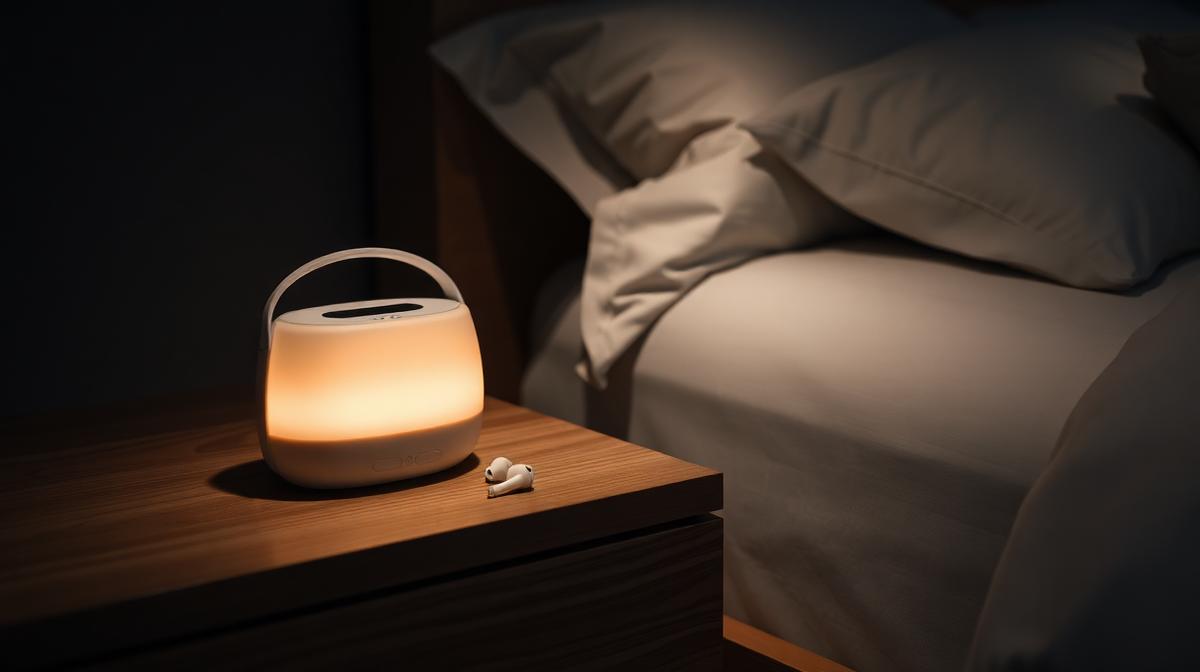
Sleep-specific headphones are designed for comfort during overnight wear. Products with flat speakers embedded in a soft headband are popular because they don't create pressure points, even for side sleepers. You can play white noise, nature sounds, or even guided sleep meditations through them.
True wireless earbuds designed for sleep are another option, though they work best for back sleepers. Some models combine noise cancellation with sound masking, which can be remarkably effective against snoring.
4. Go to Bed First
This simple strategy is surprisingly effective. If you can fall asleep 20-30 minutes before your partner comes to bed, you'll already be in deeper sleep stages when the snoring begins. During deep sleep (stages 3 and 4), you're naturally less responsive to external sounds.
This requires some coordination and communication with your partner, but many couples find it's one of the easiest adjustments to make. If your partner tends to be a night owl, this may happen naturally.
5. Adjust the Sleeping Environment
Small environmental changes can make a meaningful difference. Dry air irritates nasal passages and can worsen snoring — a bedroom humidifier adds moisture to the air and may reduce snoring intensity. Elevating your partner's head slightly (using an extra pillow or a wedge pillow) can also help keep their airway more open.
Room temperature matters too. A cooler room (around 65°F / 18°C) promotes better sleep for both of you. If the room is too warm, both snoring and your sensitivity to it can increase.
Solutions That Reduce Your Partner's Snoring
6. Encourage Side Sleeping
Back sleeping is the single biggest positional contributor to snoring. When your partner lies on their back, gravity pulls the tongue and soft tissues backward, narrowing the airway. Side sleeping keeps the airway more open and can reduce snoring volume by 50% or more.
The classic trick is the tennis ball technique: attach a tennis ball to the back of a sleep shirt so rolling onto the back becomes uncomfortable. A body pillow can also help maintain the side position. For more position-related strategies, see our article on the best sleeping position to stop snoring.
7. Address Alcohol and Sedatives
If your partner drinks alcohol in the evening, this could be a major contributor to their snoring. Alcohol relaxes the throat muscles more than natural sleep does, significantly worsening snoring. Even a single glass of wine within 3-4 hours of bedtime can increase snoring volume by 10-15 decibels — that's the difference between 'barely noticeable' and 'keeping you awake.'
Sedating medications, including some antihistamines and sleep aids, can have a similar effect. If your partner takes any of these regularly, it's worth discussing alternatives with their doctor.
8. Track and Measure the Snoring
One of the most productive things you can do together is objectively measure the snoring. It's hard to motivate someone to change when the problem only exists in their partner's complaints. But when they can see a Snore Score of 78 and the label 'Chainsaw,' the conversation changes entirely.
Use a tool like SnapSnoreScore to track snoring over multiple nights. This creates a baseline and makes it possible to measure whether changes — like avoiding alcohol, losing weight, or sleeping on their side — are actually making a difference. Data turns an emotional argument into a collaborative problem-solving exercise.
9. Explore Nasal Solutions
If your partner's snoring seems to come from the nose rather than the throat, nasal solutions may help. Nasal strips (adhesive strips that physically widen the nostrils), saline nasal sprays, and nasal dilators can all improve airflow through the nose and reduce mouth breathing, which often contributes to snoring.
Allergies and chronic nasal congestion are common hidden causes of snoring. If your partner snores more during allergy season or when they have a cold, treating the underlying nasal congestion can produce significant improvement.
When to Consider Bigger Changes
10. The Sleep Divorce — It's More Common Than You Think
Sleeping in separate rooms — sometimes called a 'sleep divorce' — carries an undeserved stigma. In reality, a 2023 survey by the American Academy of Sleep Medicine found that about 1 in 3 Americans occasionally sleep apart from their partner, and many report improved sleep quality and even improved relationship satisfaction as a result.
If snoring is severely affecting your health and well-being, sleeping separately on some or all nights is a legitimate solution. The key is to frame it as a health decision rather than a relationship failure. Many couples who sleep apart find they're more rested, more patient, and actually more connected during waking hours.
11. When to See a Doctor
If your partner's snoring is extremely loud, involves gasping or choking sounds, or is accompanied by witnessed pauses in breathing, these could be signs of obstructive sleep apnea — a serious condition that affects an estimated 1 billion people worldwide. Sleep apnea requires medical evaluation and treatment, typically with a CPAP machine or other interventions.
Other red flags include excessive daytime sleepiness, morning headaches, and difficulty concentrating. If you notice these in your partner, encourage them to talk to their doctor. A formal sleep study can definitively diagnose or rule out sleep apnea. Learn more about whether snoring is dangerous.
A Compassionate Approach Works Best
It's easy to feel frustrated — even angry — when you're sleep-deprived because of someone else's snoring. But remember: your partner isn't snoring on purpose. They're asleep. They literally can't hear themselves, and they may not fully understand how much it affects you.
The most successful couples approach snoring as a shared problem rather than one person's fault. Start by measuring the snoring objectively with a tool like SnapSnoreScore, then work together to test different solutions. Track results over time. Celebrate improvements. And if nothing works, separate sleeping arrangements are a perfectly valid option that doesn't reflect poorly on your relationship.
Your sleep matters. Your partner's sleep matters. And with the right combination of strategies, both of you can get the rest you need — even if one of you sounds like a bear in hibernation.
Curious how loud your snoring really is?
SnapSnoreScore uses your device's microphone to estimate snoring intensity and generate a Snore Score from 0 to 100 — entirely in your browser.
Frequently Asked Questions
How can I sleep if my partner snores loudly?
Start with white noise or earplugs to mask the sound. Encourage your partner to sleep on their side, as back sleeping worsens snoring. A free tool like SnapSnoreScore can help quantify the problem so you can track whether lifestyle changes are reducing the snoring over time.
Is it normal to not be able to sleep because of snoring?
Absolutely. Studies show that partners of heavy snorers lose an average of one hour of sleep per night. Chronic sleep loss from a snoring partner can lead to daytime fatigue, irritability, and even relationship strain. It's a legitimate health concern worth addressing.
Should I sleep in a separate room if my partner snores?
Sleeping separately — sometimes called a 'sleep divorce' — is a valid strategy and more common than people think. About 25% of couples sleep apart regularly. If it improves both partners' sleep quality, there's no shame in it. The key is to communicate openly about the decision.
Can snoring ruin a relationship?
Chronic snoring can strain a relationship due to sleep deprivation, resentment, and reduced intimacy from sleeping apart. However, addressing the issue together — by tracking the snoring, trying remedies, and communicating — often strengthens the relationship rather than damaging it.
Sources & further reading
This article references the following authoritative organizations and peer-reviewed sources.