Snoring vs Sleep Apnea: What's the Difference?
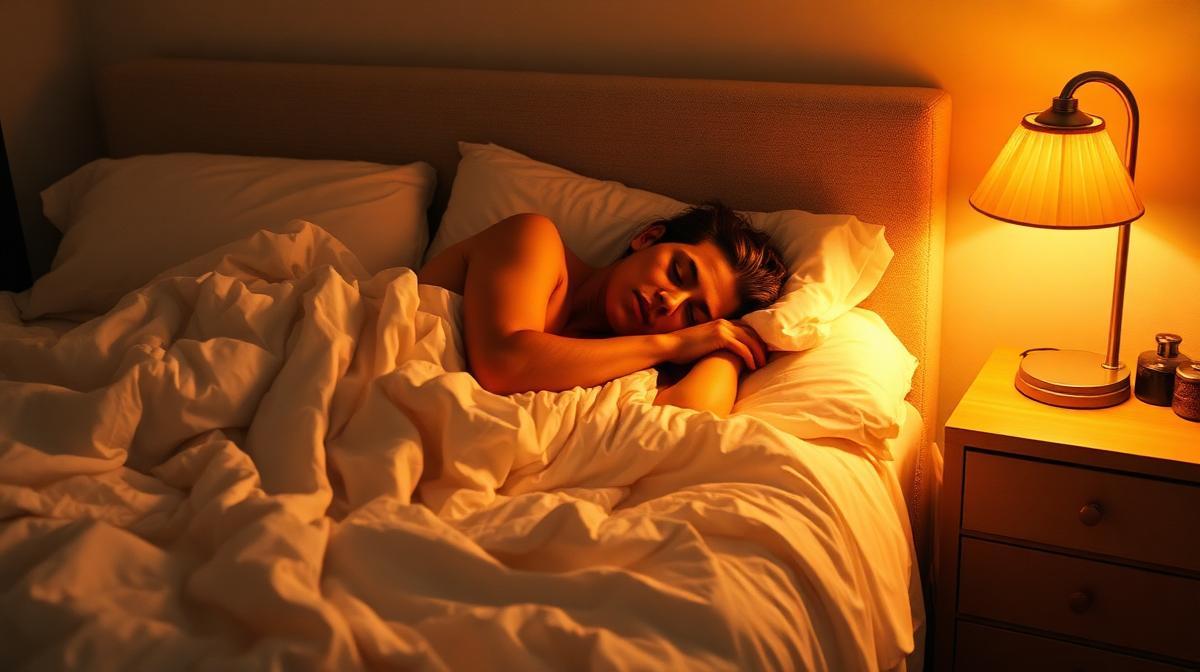
If you've been told you snore — or if you've noticed symptoms like daytime fatigue, morning headaches, or a dry throat — you may have wondered: is this just normal snoring, or could it be something more serious like sleep apnea?
It's an important question, because while the two conditions are related, they sit at very different points on the spectrum of severity. Simple snoring, while annoying, is usually harmless. Obstructive sleep apnea (OSA), on the other hand, is a medical condition with significant health consequences if left untreated.
In this article, we'll clearly explain what each condition is, how they differ, how to tell which one you might be dealing with, and what to do about it. Understanding this distinction could genuinely change your health trajectory.
What Is Simple Snoring?
Simple snoring — also called primary snoring or benign snoring — is the sound produced when air flows past relaxed tissues in your throat during sleep. As you breathe in, these tissues vibrate, creating sounds that range from a soft whistle to a loud rumble.
With simple snoring, your airway narrows but never closes completely. Air continues to flow throughout the night, and your breathing is not significantly disrupted. Your blood oxygen levels remain stable, and while your sleep may be slightly lighter than it would be without snoring, you generally still cycle through the normal stages of sleep.
Simple snoring is extremely common, affecting an estimated 45% of adults at least occasionally. It's influenced by factors like sleeping position, alcohol consumption, nasal congestion, body weight, and natural anatomy. For a deep dive into these triggers, see our article on why people snore. Most people with simple snoring feel reasonably rested during the day and don't experience significant health consequences from their snoring alone.
That said, simple snoring isn't completely benign for everyone in the household. If your snoring is loud enough to disturb a partner's sleep — which it often is — it has real quality-of-life implications even if it's not a direct threat to your own health.
What Is Obstructive Sleep Apnea?
Obstructive sleep apnea is a sleep disorder in which the airway repeatedly collapses — either partially or completely — during sleep. When the airway closes, airflow stops for at least 10 seconds at a time. These episodes are called apneas (complete blockages) or hypopneas (partial blockages with significant airflow reduction).
During each apnea or hypopnea, several things happen in rapid succession. Blood oxygen levels drop, sometimes significantly. The heart rate fluctuates as the cardiovascular system responds to the oxygen deficit. Carbon dioxide levels rise. And eventually, the brain detects the crisis and triggers a micro-awakening — a brief arousal that restores muscle tone and reopens the airway.
The sleeper typically isn't fully aware of these micro-awakenings, but they dramatically disrupt the normal sleep cycle. Instead of progressing through the deep, restorative stages of sleep, someone with OSA is constantly being yanked back to lighter sleep stages. The result is severe sleep fragmentation that leaves the person exhausted despite spending a full night in bed.
OSA severity is measured by the Apnea-Hypopnea Index (AHI), which counts the average number of apnea and hypopnea events per hour of sleep. Mild OSA is defined as 5–15 events per hour, moderate as 15–30, and severe as more than 30 events per hour. In severe cases, breathing can stop more than 60 times per hour — essentially every minute throughout the night.
Key Differences Between Snoring and Sleep Apnea
While snoring is the most prominent symptom of OSA, it's crucial to understand that snoring alone does not equal sleep apnea. Here's how the two conditions differ across several important dimensions:
Airway Behavior
In simple snoring, the airway narrows but remains open. Air continues to flow, and breathing is not interrupted. In sleep apnea, the airway collapses repeatedly, causing breathing to stop completely for 10 or more seconds at a time. This fundamental difference — narrowing versus collapse — is what separates a noisy but harmless condition from a potentially dangerous one.
Oxygen Levels
Simple snoring doesn't significantly affect blood oxygen saturation. Your body continues to receive adequate oxygen throughout the night. With OSA, oxygen levels drop during each apnea event — sometimes to dangerously low levels. These repeated oxygen desaturation episodes are a primary driver of the cardiovascular complications associated with sleep apnea.
Sleep Quality
Simple snorers may experience slightly lighter sleep due to their own noise, but they generally achieve adequate amounts of deep sleep and REM sleep. People with OSA experience severe sleep fragmentation due to constant micro-awakenings. They rarely reach or sustain the deepest, most restorative sleep stages, which is why they feel exhausted despite spending sufficient time in bed.
Health Consequences
Simple snoring, while socially disruptive, doesn't typically lead to serious health problems. OSA, however, is associated with a substantial list of medical complications: hypertension, coronary artery disease, heart failure, stroke, type 2 diabetes, cognitive impairment, depression, and even increased risk of motor vehicle accidents due to excessive daytime sleepiness.
Curious how loud your snoring really is?
SnapSnoreScore uses your device's microphone to estimate snoring intensity and generate a Snore Score from 0 to 100 — entirely in your browser.
How to Tell the Difference
So how do you know whether your snoring is simple or whether it might be sleep apnea? While only a sleep study can provide a definitive diagnosis, there are several indicators that can help you assess which end of the spectrum you're likely on.
Signs That Suggest Simple Snoring
- Your snoring is intermittent — it happens some nights but not others
- It tends to occur when you're on your back or after drinking alcohol
- You feel reasonably rested during the day
- Your partner doesn't report gasping, choking, or breathing pauses
- Your snoring volume is moderate rather than extremely loud
Signs That Suggest Sleep Apnea
- Your snoring is very loud and occurs every night regardless of position
- Your partner has witnessed you stop breathing during sleep
- You wake up gasping, choking, or with a sensation of suffocation
- You experience excessive daytime sleepiness despite adequate time in bed
- You have frequent morning headaches
- You have difficulty concentrating, memory problems, or mood changes
- You have been diagnosed with high blood pressure
- Your neck circumference is large (greater than 43 cm for men or 38 cm for women)
If you identify with multiple items on the sleep apnea list, a professional evaluation is strongly recommended. The good news is that OSA is highly treatable once diagnosed, and treatment can dramatically improve quality of life.
How Sleep Apnea Is Diagnosed
The definitive test for sleep apnea is a sleep study, also known as polysomnography. This test can be conducted in a specialized sleep laboratory or, increasingly, at home with a portable monitoring device.
In-lab polysomnography is the most comprehensive option. While you sleep, sensors monitor your brain waves (EEG), eye movements (EOG), muscle activity (EMG), heart rhythm (ECG), breathing effort, airflow, blood oxygen levels, and body position. A trained sleep technologist monitors the data in real time throughout the night.
Home sleep apnea tests are simpler and more convenient. They typically measure airflow, breathing effort, blood oxygen saturation, and heart rate. While they don't capture as much data as an in-lab study, they're sufficient for diagnosing most cases of obstructive sleep apnea and are increasingly preferred by patients and insurers alike.
Treatment Options for Sleep Apnea
If you are diagnosed with obstructive sleep apnea, several effective treatment options are available:
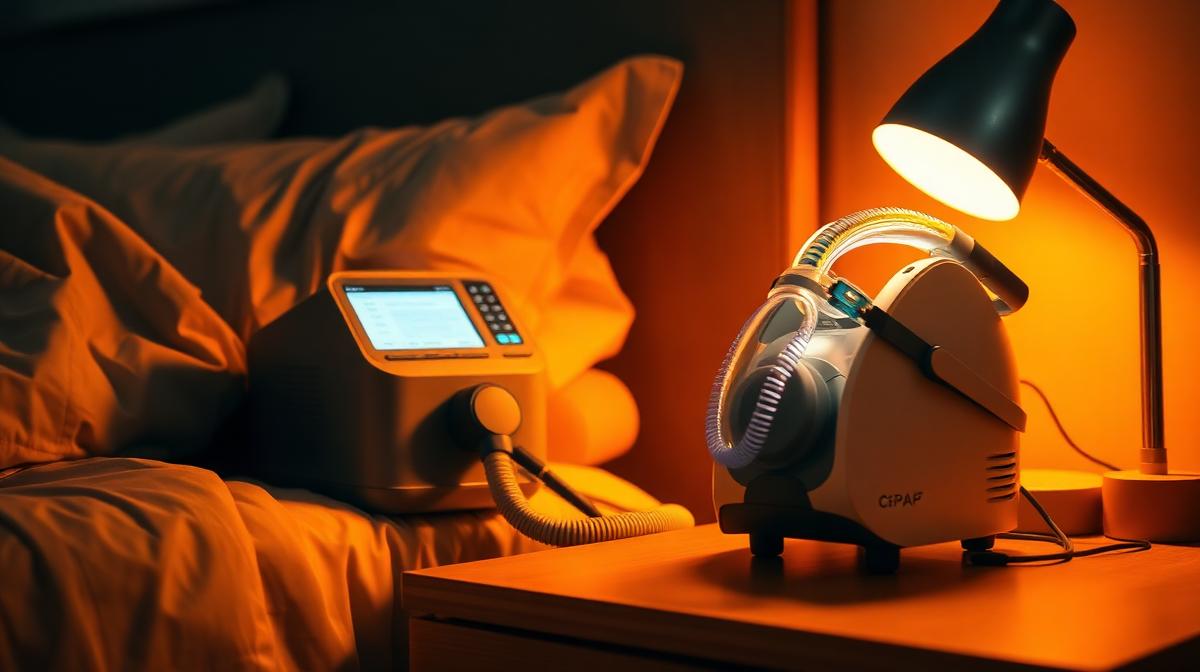
- CPAP therapy: Continuous Positive Airway Pressure is the gold-standard treatment for moderate to severe OSA. A small machine delivers a constant stream of pressurized air through a mask, keeping the airway open throughout the night. Modern CPAP machines are quiet, compact, and highly effective.
- Oral appliances: Custom-fitted dental devices that reposition the jaw and tongue to keep the airway open. These are often effective for mild to moderate OSA and are preferred by patients who find CPAP uncomfortable.
- Positional therapy: For people who only experience apnea while sleeping on their back, special devices or techniques that encourage side-sleeping can be effective.
- Lifestyle modifications: Weight loss, avoiding alcohol before bed, regular exercise, and managing allergies can all reduce OSA severity. For some people with mild OSA, lifestyle changes alone may be sufficient. Check out our 7 natural methods to reduce snoring.
- Surgery: In selected cases, surgical procedures to remove or reposition tissue in the throat, nose, or jaw may be recommended. Surgical options are typically considered when other treatments have failed or when there's a clear structural issue causing the obstruction.

The Role of Self-Monitoring
Whether you suspect simple snoring or sleep apnea, self-monitoring is a valuable first step. Tools like SnapSnoreScore provide a private, non-invasive way to track your snoring patterns over time. By generating a Snore Score from 0 to 100 based on real-time audio analysis, you can establish a baseline, identify triggers, and monitor the effectiveness of any changes you make. Not sure if you snore at all? Start with our guide on how to know if you snore.
Self-monitoring data can also be helpful if you decide to see a doctor. Being able to describe your snoring patterns objectively — rather than guessing — gives your healthcare provider better information to work with and may help determine whether a formal sleep study is warranted.
Curious how loud your snoring really is?
SnapSnoreScore uses your device's microphone to estimate snoring intensity and generate a Snore Score from 0 to 100 — entirely in your browser.
For a full overview of snoring — from the science and causes to every treatment option — see our complete guide to snoring.
The Bottom Line
Snoring and sleep apnea exist on a continuum, but they are fundamentally different conditions with very different implications for your health. Simple snoring is common, usually harmless, and often manageable with lifestyle changes. Obstructive sleep apnea is a medical condition that requires diagnosis and treatment to prevent serious long-term health consequences.
If your snoring is accompanied by breathing pauses, excessive daytime sleepiness, morning headaches, or any of the other warning signs discussed in this article, don't dismiss them. Talk to your doctor, get tested if recommended, and take advantage of the effective treatments available. The difference between ignoring sleep apnea and treating it can be life-changing — in the most literal sense.
Frequently Asked Questions
What is the difference between snoring and sleep apnea?
Simple snoring is the vibration of throat tissues during breathing and doesn't significantly disrupt breathing or sleep quality. Sleep apnea involves repeated complete or partial collapse of the airway, causing breathing pauses of 10+ seconds, drops in blood oxygen, and severe sleep fragmentation.
Can you have sleep apnea without snoring?
Yes, although snoring is the most common symptom, some people with sleep apnea don't snore loudly. This is more common with central sleep apnea. Other symptoms like excessive daytime sleepiness, witnessed breathing pauses, and morning headaches can indicate OSA even without prominent snoring.
How is sleep apnea diagnosed?
Sleep apnea is diagnosed through a sleep study (polysomnography), conducted either in a sleep lab or at home with a portable monitoring device. The study measures breathing patterns, oxygen levels, brain activity, and heart rhythm to determine whether and how frequently breathing stops during sleep.
Sources & further reading
This article references the following authoritative organizations and peer-reviewed sources.
Related Articles
The Complete Guide to Snoring: Causes, Risks, Solutions & How to Track It
Is Snoring Dangerous? When You Should Be Concerned
How Many Decibels Is Snoring? Average dB Levels (30–90 dB)
Why Do People Snore? Causes, Myths, and What It Means
How To Stop Snoring Naturally (7 Methods That Help)